

 Nov 16, 2026
 3 min read
You sit down at a virtual poker table, the flop reveals a possible straight, and your opponent hesitates for a split second. That tiny pause could be worth
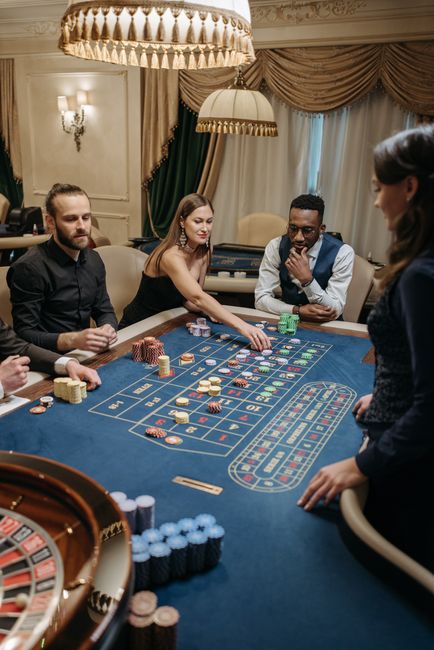
You sit down at a virtual poker table, the flop reveals a possible straight, and your opponent hesitates for a split second. That tiny pause could be worth $200. Or you're spinning a slot machine, wondering if the bonus round is due after 150 dead spins. These moments define iGaming – a world where luck meets psychology, math, and a healthy dose of self-control. Whether you're a seasoned bettor or just curious about the hype, this article cuts through the noise. No fluff, no 'get rich quick' promises. Just real talk on slots, poker, and betting strategies that actually make sense.
Let's kill the biggest misconception right away: slots are not 'due' for a payout. Each spin is independent, governed by a Random Number Generator (RNG). That bonus round you've been chasing? The machine doesn't know you've lost 200 times. The RNG just keeps spitting out numbers, typically 20 to 50 per second, even when you're not playing.
So why do some players swear by 'hot' or 'cold' machines? Confirmation bias. You remember the one time you hit a jackpot after three spins, but forget the 50 times you didn't. Casinos love this because it keeps you spinning.
Does that mean all slots are equally bad? Not quite. Look at two numbers: RTP (Return to Player) and volatility.
Concrete tip: For longer playtime, pick slots with RTP above 96% and low-to-medium volatility. Examples: Starburst (96.1%, low), Blood Suckers (98%, low). For a shot at a huge win, try high-volatility like Bonanza (96%, high) – but set a loss limit first.
Poker is the only iGaming vertical where long-term profit is possible through skill. But 'possible' doesn't mean 'easy'. The edge comes from exploiting opponents' mistakes, not from playing fancy hands.
Let's talk about tells – those unconscious signals players give off. Online, you don't see faces, but bet timing and sizing tell stories. A snap-call on the river often means a draw that missed. A long tank before a big bet usually signals strength (or a tough bluff decision). Live poker adds physical tells: shaky hands, rapid blinking, or staring too long at the flop.
But here's the real secret: position matters more than tells. Acting last gives you information. If you're on the button and everyone checks to you, a bet wins the pot often enough to be profitable. From early position, fold marginal hands like A-10 offsuit – they cost you money.
Another data point: In no-limit Texas Hold'em, you should play roughly 20-25% of hands in a full-ring game. Most beginners play 50% or more. Tighten up, and you'll instantly improve.
Sports betting isn't about picking winners; it's about finding value. A team can win 80% of the time, but if the odds imply a 90% chance, there's no value. Value exists when your estimated probability is higher than the bookmaker's implied probability. For practical tips, check out OK68.
Example: You think Team A has a 50% chance to win. The bookmaker offers +120 (implied probability ~45.5%). That's value. If the bookmaker offers -150 (implied ~60%), it's not.
How do you estimate true probability? Stats, injuries, weather, home advantage. Don't bet with your heart. And always use a staking plan – flat betting 1-2% of your bankroll per wager keeps you alive through losing streaks.
Here's a quick checklist for any bet:
Remember: Even the best bettors hit 55% winners. The margin is thin. Over 1,000 bets, a 55% win rate at -110 odds yields a 5% profit. That's it.
I've seen too many players blow rent money on a 'sure thing.' Here's the hard truth: The house always has an edge. Slots, roulette, and most casino games are negative expectation. Poker and sports betting can be positive if you're skilled, but variance is brutal.
So set rules before you play:
Also, use casino tools: deposit limits, session reminders, self-exclusion. They exist for a reason. If you feel a tinge of panic or desperation, stop. That's your brain's alarm system.
Here's what I've learned after years in this space: The players who enjoy iGaming the most are the ones who treat it as entertainment, not income. They set a budget, they know the odds, and they walk away when it stops being fun. The ones who lose everything? They believe in 'systems' for slots, they chase poker losses, and they bet on games they know nothing about.
So enjoy the rush of a slot bonus, the thrill of a bluff, the sweat of a last-minute parlay. But keep your head. The house doesn't mind if you win tonight – they know the math always wins in the end. Play smart, play sober, and never bet what you can't afford to lose.
Provide clear contact information, including phone number, email, and address.

This post covers tips on color schemes, fonts, and visuals to keep your profile visually appealing and cohesive.
 Sep 22, 2026

Gen Z is reshaping digital interaction. Learn what matters to this generation and how to create authentic, meaningful content.
Sep 17, 2026

Gen Z is reshaping digital interaction. Learn what matters to this generation and how to create authentic, meaningful content.
Sep 14, 2026
Unlock the tools and insights you need to thrive on social media with Lively Willow. Join our community for expert tips, trending strategies, and resources that empower you to stand out and succeed.

Lively Willow is your hub for the latest in digital innovation, technology trends, creative insights. Our mission is to empower creators, businesses, valuable resource.
© 2026 Lively Willow. All rights reserved.


Tags
Matthew Kuhnemann
8/2/2024
“I love how this breaks down the importance of consistency and authenticity. It's easy to get caught up in trends, but staying true to yourself really is key. Great read!"